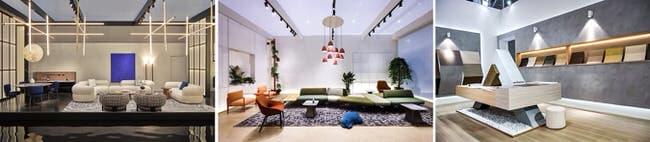


Every March, CIFF Guangzhou places
the city firmly on the radar of the global design community. More than one of
Asia’s largest furniture fairs, it has become a site where designers can read
the industry in one glance. From finished products and materials to
manufacturing systems, lifestyle shifts and cultural context, CIFF offers a
condensed picture of how the broader home and interiors sector is responding to
changes in society, living patterns and the role of design itself. It is also
why, in recent years, Guangzhou has increasingly become a fixed point on many
designers’ annual calendars.

Scale as a measure of reality
With over 850,000 square metres of
exhibition space and close to 5,000 exhibitors, CIFF Guangzhou operates less as
a collection of isolated showcases and more as a fully assembled industry
landscape. Furniture, materials, machinery and supporting systems unfold
simultaneously within the same city, allowing designers to observe how ideas
move from concept to production, and how design is amplified, standardised and
ultimately absorbed by the market.
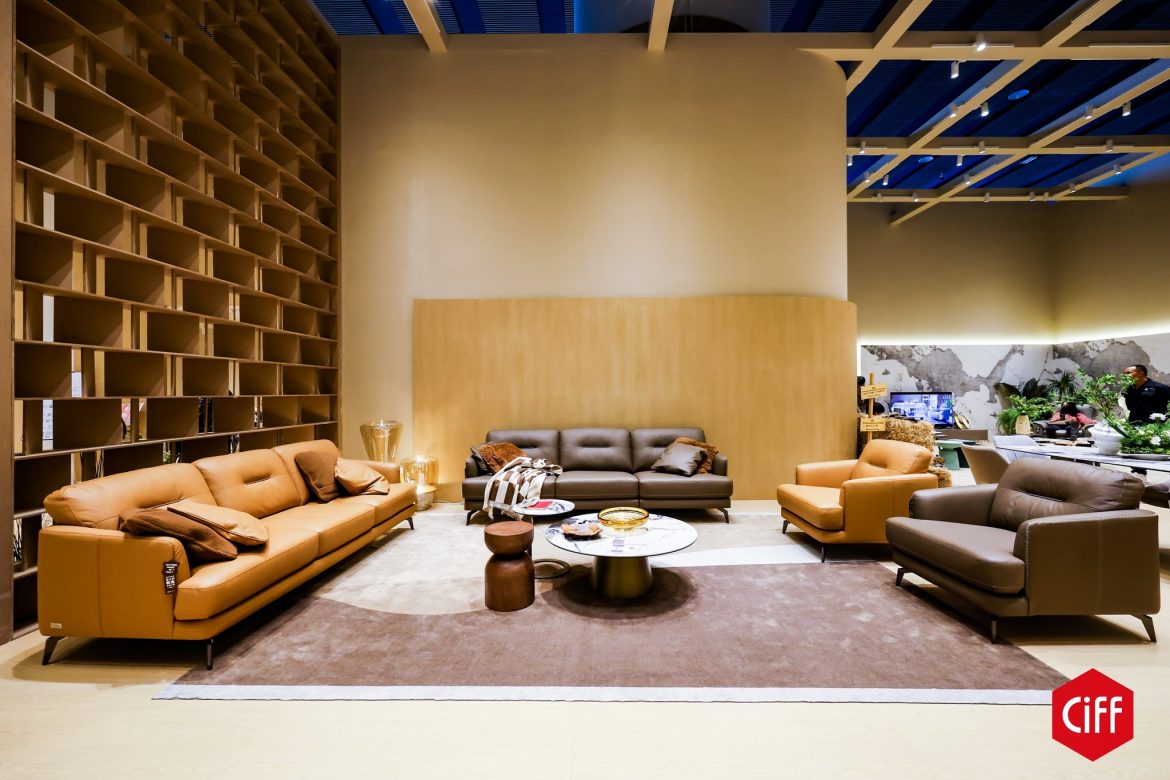
Within this scale, certain signals stand
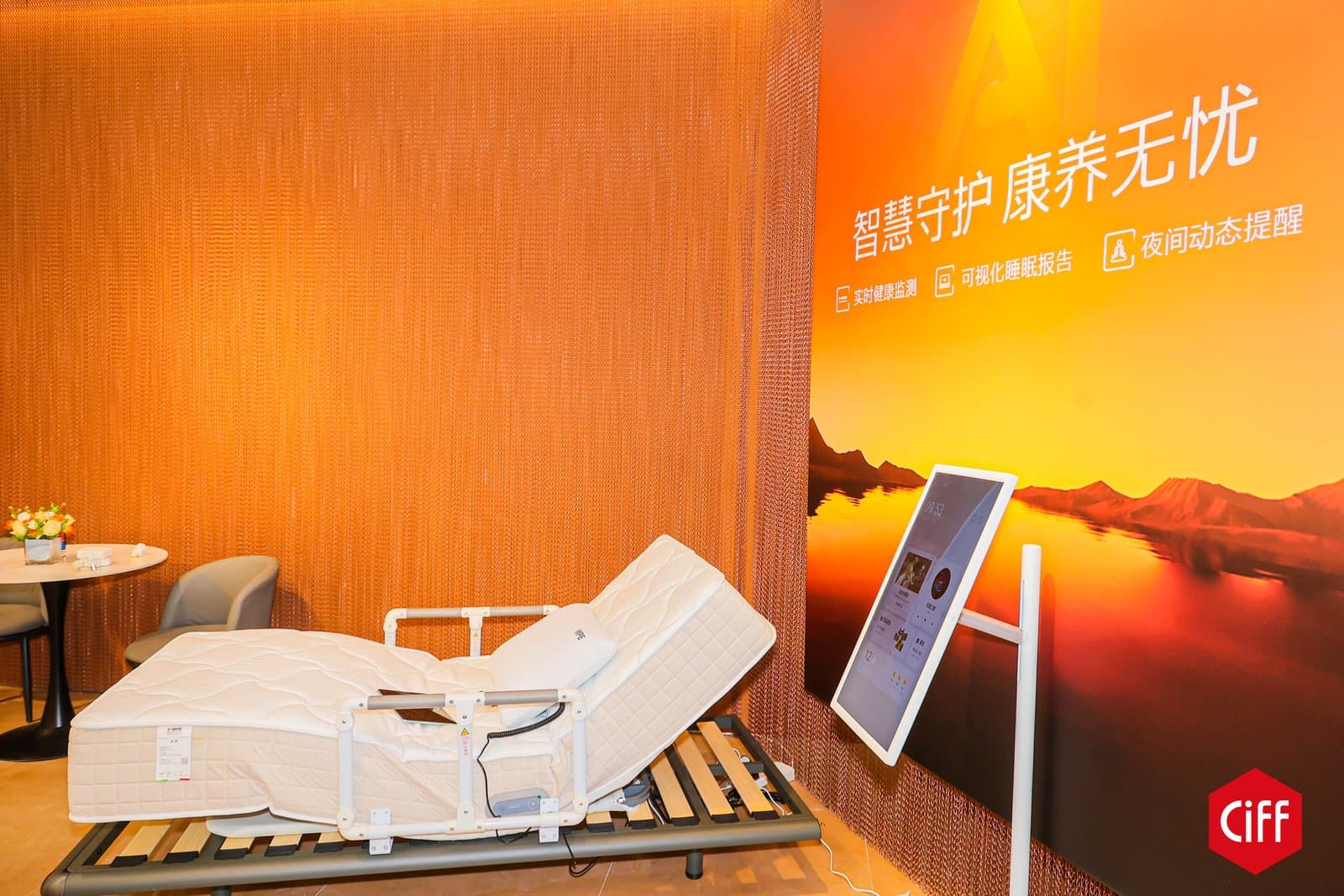
out. The focus areas developed in Hall D—such as age-friendly living and
pet-oriented furniture—are not short-term trend chasing, but direct responses
to structural shifts: ageing societies and the normalisation of human–pet
cohabitation. Age-friendly design here extends well beyond assistive products,
addressing circulation, proportion, tactility and aesthetics as a whole. Pet
furniture, meanwhile, reframes the domestic interior as a shared environment
rather than a human-only space. Presented together, these themes read almost as
an open design proposal, inviting designers to rethink future living scenarios
in more layered ways.
Thematic exhibitions that move beyond ideas
Looking back to last March’s 55th edition,
the Contemporary Design Exhibition stood out as a clear reference
point. Rather than a showcase of star designers, it was structured around
“International × Design”, placing furniture brands, designer-led labels and
overseas studios into a shared conversational framework. The result was not
only a display of experimental design approaches, but a rare opportunity to see
how those approaches are translated into products capable of being manufactured
and distributed at scale.
Within this structure, Design United examined
how design can actively shape industry direction, positioning values and
viewpoints as drivers that move production from manufacturing-led logic towards
creation-led thinking. Design Dim Sum operated as a transitional
space, selecting emerging international brands and exploring how cross-cultural
design can be understood, adjusted and reinterpreted before entering the
Chinese market. Design Export addressed a longer trajectory,
considering how “Chinese design” might be recognised internationally as a
cultural and commercial value—using design as a vehicle for cultural exchange
and for connecting younger generations across aesthetic traditions.

Materials as a starting point, not an
afterthought
Another strong draw for international
designers has been the CMF Trend LAB Exhibition. Rather than a
conventional materials display, it is grounded in trend research, offering
structured readings of colour, material and finish in relation to future design
directions. Materials here are treated as starting points for decision-making,
not secondary embellishments. Whether through new surface treatments,
sustainable compounds or cross-industry craft applications, designers can
clearly see how materials might realistically enter products and markets.
This perspective extends into the second
phase of the fair through the CMF Trend LAB International Materials
Corridor, which brings together global material suppliers and research
institutions to explore how material innovation can influence design thinking
and manufacturing systems on a broader level.
Where design exchange actually happens
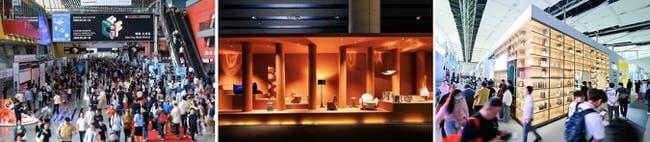
Beyond exhibitions and displays, another
layer of CIFF’s appeal lies in CIFF Design Community. During the fair,
curated design tour groups—ranging from office and workplace teams to soft
furnishing specialists and international interior design delegations—are
organised around tailored routes and targeted matchmaking. This structure gives
designers clearer orientation within the scale of the fair, helping them
encounter brands and suppliers that align with their interests, while making
the experience of visiting more focused and intentional.
CIFF Guangzhou is therefore not just a
place to see new products, but a site worth returning to—one where designers
can track shifts, test assumptions and stay closely connected to how the
industry is evolving. For many in the global design community, Guangzhou has
become a city that cannot be missed each March—a recurring point of reference
in an increasingly complex design landscape.